
MOTS-c in Bali
MOTS-c is a 16 amino acid peptide written not in the cell nucleus but in mitochondrial DNA. The body releases it during exercise: in human volunteers its level in muscle rose almost twelvefold after a session on an exercise bike. That is why researchers call it an exercise mimetic.
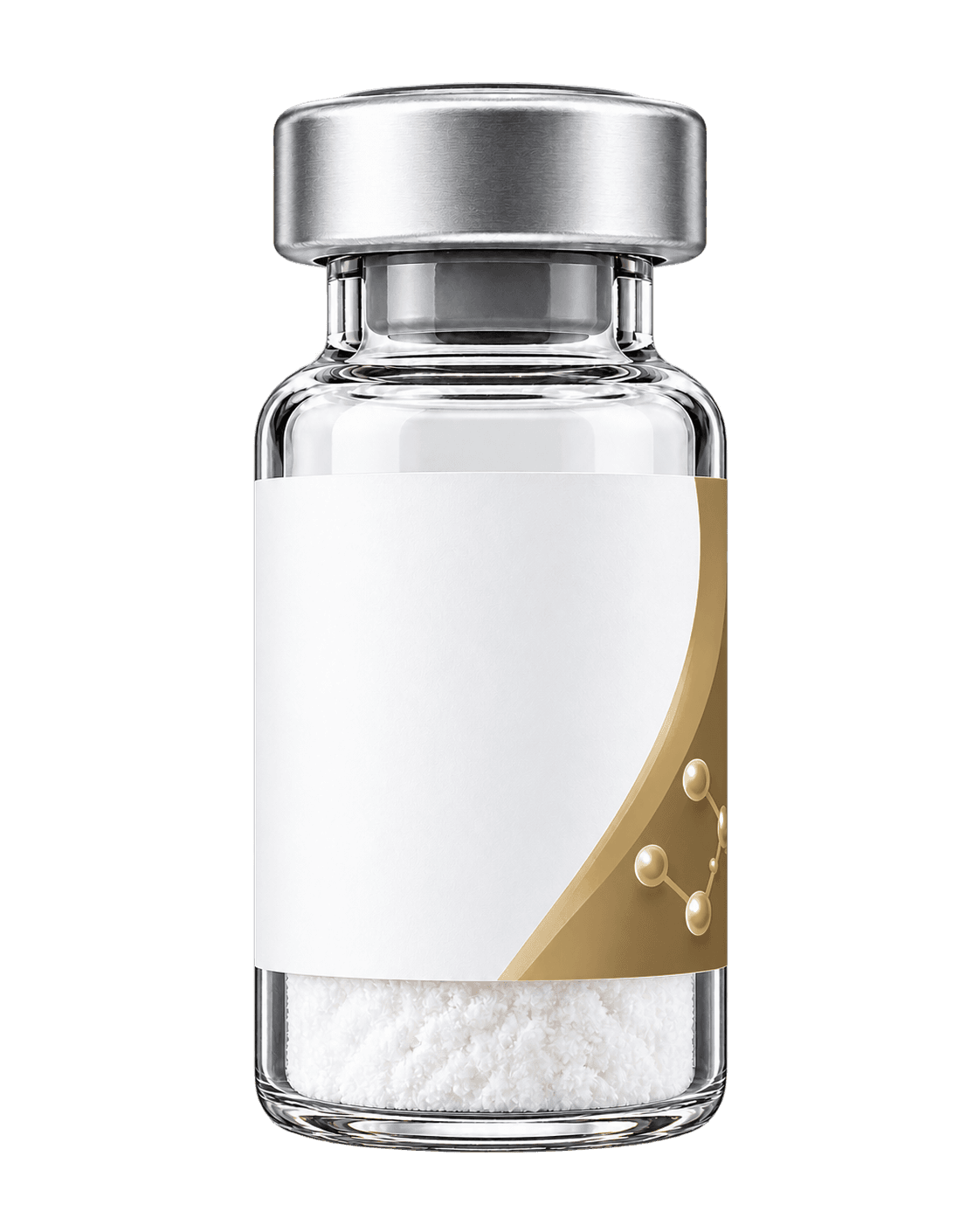
PeptiLab Bali stocks MOTS-c at 10 mg, as a vial (reconstituted or dry) or a ready-to-use pen, delivered the same day anywhere on the island.
- Same-day delivery across Bali, free from Rp 3.000.000 and on every stack
- Vial (reconstituted or dry) or a disposable pre-filled pen
- Swabs and syringes with vials, swabs and pen needles with pens, free
- Lab report (COA) of the current batch on request
A peptide from the mitochondria
Almost every protein in the body is coded in the cell nucleus. Mitochondria, the small power plants inside each cell, keep a tiny genome of their own, and in 2015 the lab of Changhan Lee at the University of Southern California found that it codes a signalling peptide too. They named it MOTS-c and published the discovery in Cell Metabolism.
MOTS-c switches on AMPK, the cell's main energy sensor, the same switch that a hard workout or a long fast turns on. Under metabolic stress it can even travel into the nucleus and adjust genes that help the cell adapt. In other words, mitochondria use it to tell the rest of the cell how much energy is available.
What the research shows
In the original study, MOTS-c protected mice on a high-fat diet from weight gain and insulin resistance. A 2021 paper in Nature Communications went further: treatment doubled the running capacity of old mice, and in people the natural level in muscle rose 11.9-fold with exercise.
Natural MOTS-c falls with age, and a variant of its gene has been linked to exceptional longevity in studies of Japanese centenarians. That combination, metabolism plus healthy ageing, is why it sits in both our metabolic and our mitochondrial stacks.
Protocol and how long 10 mg lasts
The usual start is 500 mcg a day under the skin, on an empty stomach or before a workout, raised gradually as tolerated. At 500 mcg one 10 mg vial or pen lasts about 20 days; with a pen that is five clicks, since every PeptiLab pen measures 0.1 mg per click. Higher-dose protocols go up to 5 mg, which some people take only on training days.
A cycle usually runs about 8 weeks, then a break. Many people pair MOTS-c with NAD+, another mitochondrial favourite: the Mito stack combines MOTS-c, SS-31 and NAD+ pens, and the Metabolic stack pairs it with tirzepatide.
Energy for island life
Bali asks a lot of the body: heat and humidity, early surf, long scooter rides, training in open-air gyms and late nights in Canggu. People who come to MOTS-c here usually want more stamina for that rhythm, steadier energy through the day and a cleaner metabolic picture alongside diet and training.
Users typically describe more energy and endurance within about two weeks, with changes in body composition and fasting glucose building over 8 to 12 weeks. Track something simple, such as a running time, a resting heart rate or a fasting glucose reading, so you can see what the cycle does for you.
Questions
How much does MOTS-c cost in Bali?
MOTS-c or NAD+?
Vial or pen: which should I choose?
How fast is delivery in Bali?
For research use only. Not for human consumption, medical treatment, or veterinary use. Full disclaimer